Audism and Racism: The Twins Nobody Wants to Talk About
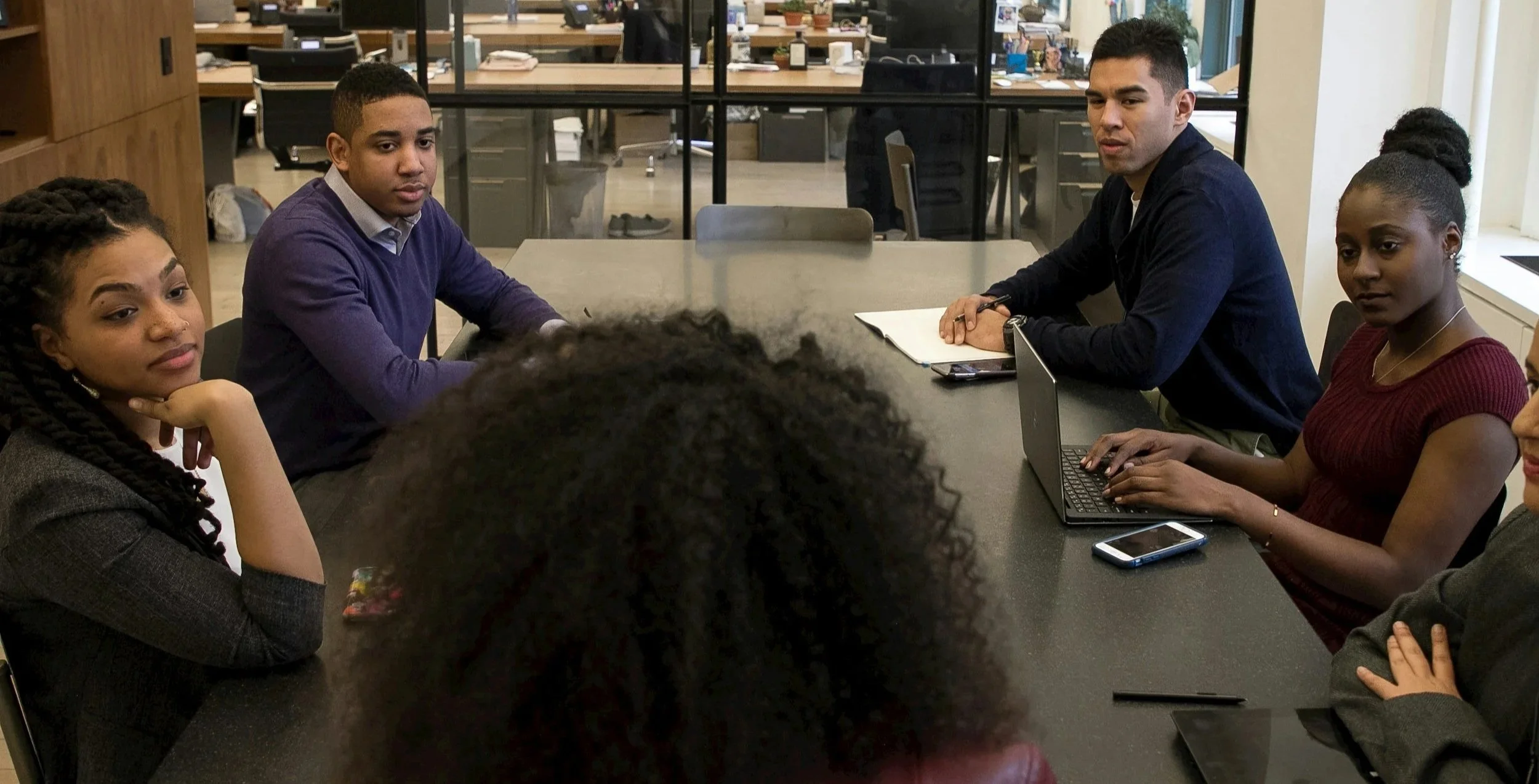
Audism and racism often operate through similar systems. Both determine who is heard. Both determine who is believed. Both influence who gains access to opportunities.
Audism assumes hearing and speaking are the "correct" way to communicate, and treats Deaf people as less capable because they don't do things that way. Racism operates on the same logic, aimed at a different target: it assumes whiteness is the default, and Black people must constantly prove they're competent and trustworthy. Neither is really about the trait it claims to be about. Both are about power, who holds it, and who has to fight for it.
For Black Deaf individuals, these systems intersect. A person may face barriers because they are Deaf, and additional barriers because they are Black, plus a third layer that only appears at that intersection. A classroom that denies early ASL access while disciplining a child more harshly than white Deaf peers. A hospital visit with no interpreter and a provider inclined not to believe the patient's pain. A police stop that combines racial profiling with an officer who has no idea how to communicate with a Deaf person. This isn't racism plus audism as two separate problems; it's something that only shows up when you look at both together.
Why Intersectionality Matters
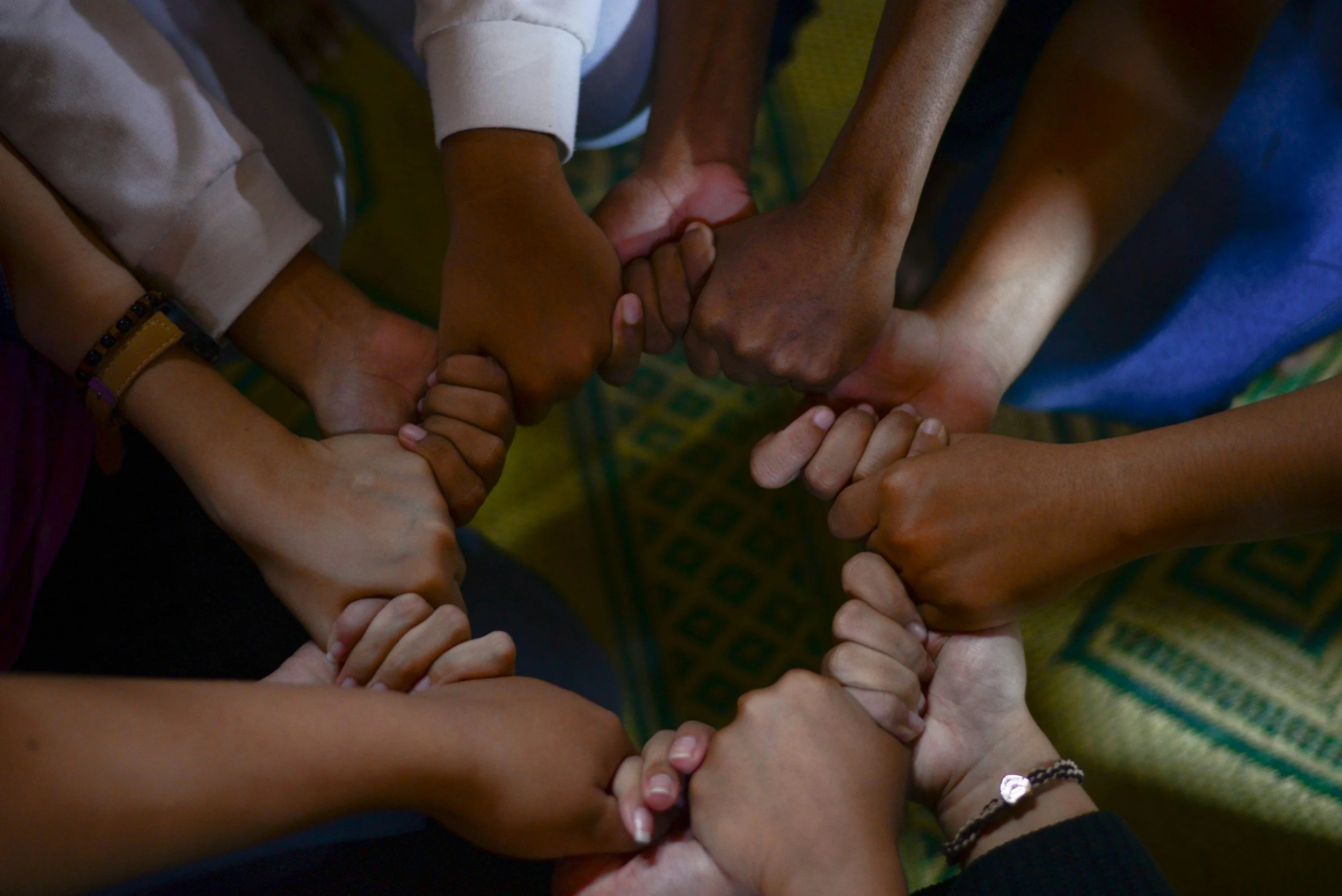
We cannot effectively address accessibility while ignoring race. We cannot discuss racial equity while ignoring disability and Deaf experiences. True inclusion requires examining the full picture, Deaf spaces asking who's actually represented in their leadership, and racial justice spaces asking whether their meetings and materials are accessible at all.
Black Deaf individuals shouldn't have to explain audism to Black spaces and racism to Deaf spaces, translating themselves twice just to be understood once. The twins nobody wants to talk about don't disappear because we keep them in separate conversations. They disappear when we're willing to look at both, together, and ask who still isn't being heard.